Pier and Beam Mold Repair: What Fort Worth Homeowners Need to Know
If your home sits on a pier and beam foundation, you already know the advantages. Better air circulation, easier access to plumbing, and less risk of slab cracking. But that raised foundation also creates a crawl space that can become a moisture trap, especially during Texas rain season. When humidity builds up under your house, mold moves in. And once it gets into the wood, a simple cleaning won't cut it. You need proper pier and beam mold repair, and that means understanding what you are dealing with before you start.
Why Pier and Beam Foundations Are Prone to Mold
A pier and beam foundation uses structural posts to lift the house above the ground. The space between the soil and the floor joists is the crawl space. That gap allows air to flow, but it also lets ground moisture rise. If you have no vapor barrier on the dirt floor, water evaporates into the air and settles on the wood above. Over time, that constant dampness feeds mold growth on the joists, the plywood subfloor, and even the subfloor insulation. Unlike a slab foundation where mold often stays in the drywall, a pier and beam setup hides the problem where you cannot see it until the damage is done.
I have been inside many Fort Worth crawl spaces where the homeowner thought everything was fine. One look with a moisture meter told a different story. The wood was holding 20 percent moisture content or higher, which is enough to support active mold and wood rot. That is the point where pier and beam mold repair stops being optional and becomes urgent.
How to Tell if You Need Mold Repair
You do not always see mold before you smell it. A musty odor drifting up from floor vents is the first clue. If you notice that smell after a rain or when the humidity spikes, you probably have mold under the house. The next step is to grab a humidity meter and check the crawl space air. Readings above 60 percent relative humidity for more than a few days are a red flag. Anything above 70 percent is almost a guarantee that mold is growing somewhere.
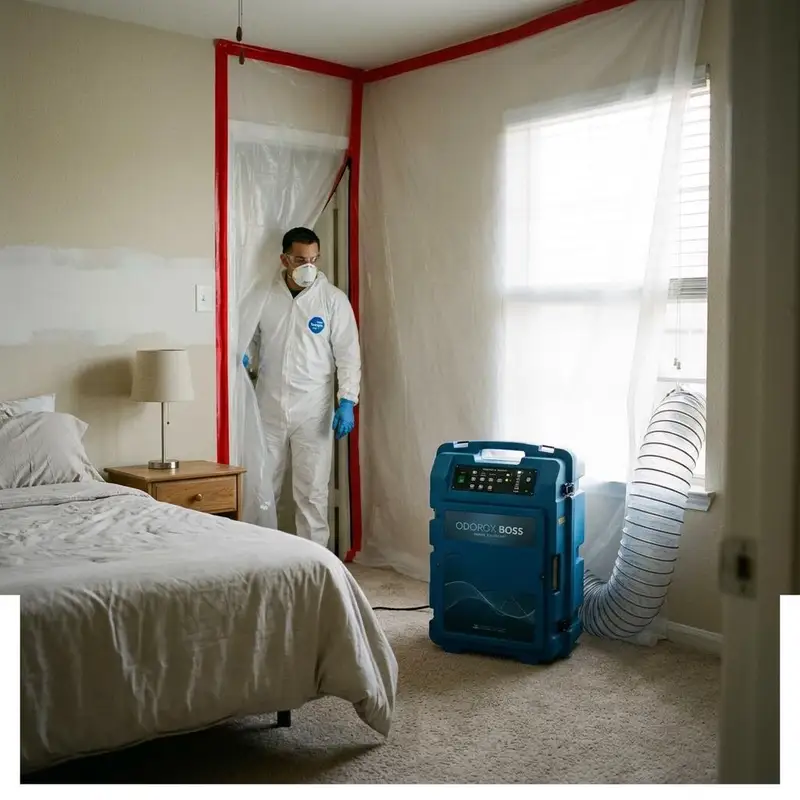
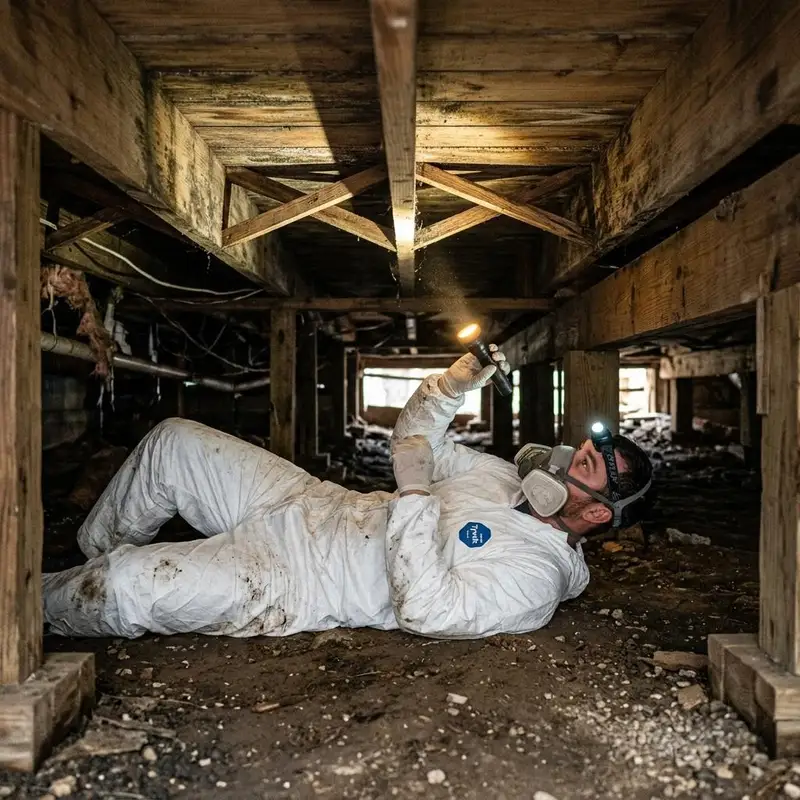
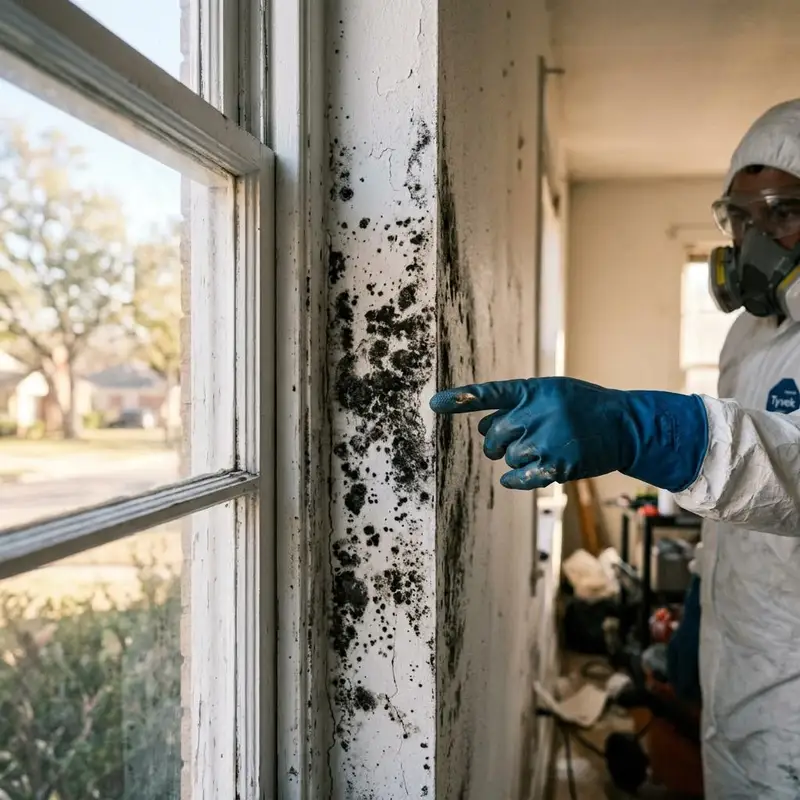
After the air check, get a flashlight and look at the wood. Dark stains on the joists, white or green fuzz on the plywood subfloor, and soft spots where a screwdriver sinks in easily all point to active growth. If you see termite damage alongside the mold, the repair gets more complicated because you have to treat both problems without making the other worse. A professional mold inspector will use a moisture meter to map the wet areas and a HEPA vacuum to collect samples if needed. That data tells you how far the contamination has spread and whether the structural posts are compromised.
The Real Work of Pier and Beam Mold Repair
Once you confirm mold, the repair process has three stages: stop the moisture source, remove the mold, and prevent it from coming back. The first stage often means crawl space encapsulation. That involves laying polyethylene sheeting over the entire dirt floor and sealing the seams. The plastic blocks ground moisture so it never reaches the air. You also need to check the grading around the foundation. If rainwater pools near the piers, it will seep under the house no matter how good your vapor barrier is.
After the moisture source is controlled, you move to removal. For light surface mold on the joists and subfloor, a biocide like concrobium can kill the spores and leave a crystalline layer that resists future growth. You apply it with a pump sprayer and let it dry completely. For heavy contamination, especially where wood rot has set in, you have to cut out the damaged plywood subfloor and sister new lumber alongside the rotted joists. That is not a weekend job. It takes patience and a willingness to work in tight spaces with a respirator and goggles.
One Fort Worth job I worked on had mold so deep in the subfloor that the plywood crumbled when we touched it. We had to replace a 4x8 section and treat the surrounding joists with a hydrophobic coating to keep them dry. The homeowner had tried a bleach spray two months earlier, but bleach does not penetrate porous wood. It only bleaches the surface. The mold came back stronger because the moisture was still there. That is the hard truth about pier and beam mold repair: if you skip the moisture control, you are just painting over the problem.
Tools and Materials That Actually Help
If you are doing the work yourself, you need a few specific tools. A moisture meter with a pin probe is non-negotiable. The pinless meters are faster but less accurate on rough-sawn lumber. A HEPA vacuum is essential for cleanup because regular shop vacs blow mold spores back into the air. For the encapsulation, buy 6-mil polyethylene sheeting at minimum. Thinner plastic tears easily when you crawl over it. You will also need a ventilation fan to dry the space after treatment. Leave it running for at least 48 hours before you re-check the wood with the moisture meter.
For the chemical treatment, concrobium is a solid choice because it does not off-gas like bleach or ammonia. It is a sodium carbonate-based biocide that kills mold and leaves a barrier. You can also use a borate-based spray if you are worried about termites. Borates kill both mold and wood-destroying insects, but they wash out if water gets in, so they work best after the crawl space is sealed.
When to Call a Professional
Some repairs you can handle yourself. If the mold covers less than 10 square feet and the wood is solid, a biocide treatment and encapsulation will solve it. But if the subfloor is soft, the joists show wood rot, or the mold has spread into the wall cavities, you need a professional crew. They will have commercial-grade dehumidifiers, industrial HEPA vacuums, and the experience to know when a joist needs replacement versus reinforcement.
I remember a house near the Trinity River where the crawl space had standing water after every heavy rain. The homeowner had run a dehumidifier for three months with no improvement. The problem was not the air; it was the missing vapor barrier and a negative slope that sent runoff straight under the house. A professional team installed a drainage system, encapsulated the crawl space, and treated the entire subfloor with a hydrophobic coating. The mold never came back, and the homeowner said the air quality inside the house improved within a week.
If you live in Fort Worth and your HVAC system includes a Trane unit with ductwork running through the crawl space, pay close attention. Mold in the crawl space can get pulled into the return ducts and spread through the whole house. That is how a small patch of mold under the floor becomes a respiratory issue for everyone upstairs. In that case, you want a mold remediation company that coordinates with an HVAC technician to clean the ducts after the crawl space is treated.
Prevention After Repair
Once the repair is done, the goal is to keep the crawl space dry. A permanent dehumidifier with a drain hose is the most reliable solution. Set it to 50 percent relative humidity and let it run year-round. In the Texas rain season, you might need a second unit if the space is large. You should also install a ventilation fan that cycles on and off with a humidistat. That moves stale air out and brings drier air in without running up the electric bill.
Check the vapor barrier twice a year for tears or gaps. Animals like rodents and armadillos can push the polyethylene sheeting out of place and create openings for moisture. Seal any damage with tape or a fresh patch. Also inspect the structural posts for signs of termite damage or rot. A post that looks fine on the surface can be hollow inside, so tap it with a hammer and listen for a solid sound. If it sounds dull, have a structural contractor evaluate it.
Finally, keep a humidity meter in the crawl space and read it monthly. The numbers tell you whether your prevention is working. If you see a steady climb above 60 percent, look for the source before mold has a chance to start. A little prevention costs a fraction of what a full pier and beam mold repair will cost you later.